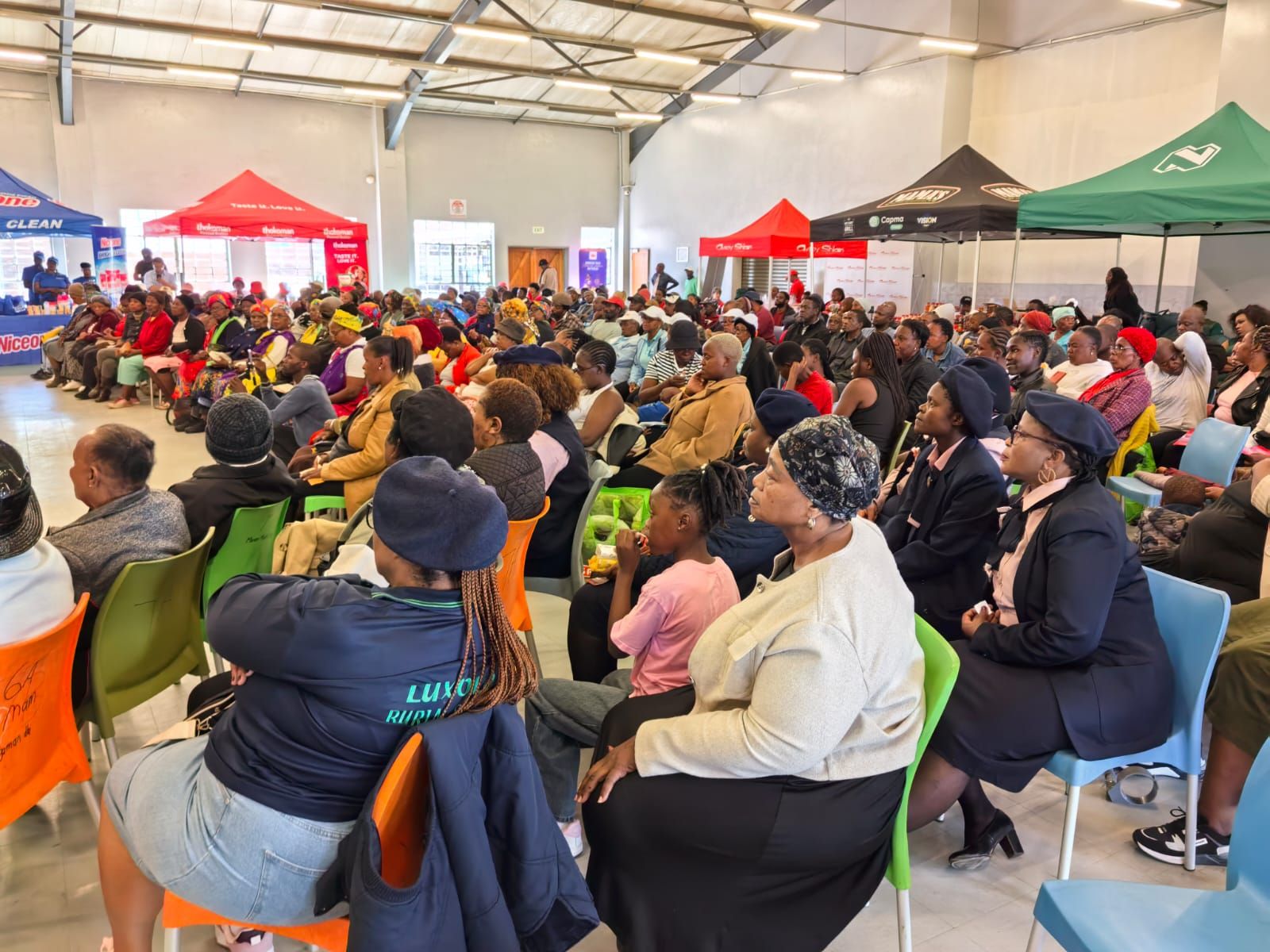
Community members, business leaders, entrepreneurs, farmers, government representatives and other stakeholders gathered in Polokwane for a public awareness dialogue on China’s Zero-Tariff Policy for African countries, aimed at improving understanding of the opportunities the initiative presents for South Africa’s economic growth and development.
The awareness session formed part of ongoing efforts to ensure that communities, particularly those outside major economic centres, are informed about international trade developments that could create new opportunities for local businesses, producers and entrepreneurs.
Addressing attendees, Dr Gideon Chitanga highlighted the significance of the policy and its potential impact across various sectors of the economy.
“The Zero-Tariff Policy is a major opportunity not only for farmers but also for manufacturers, entrepreneurs, small businesses, cooperatives and service providers,” said Chitanga. “It creates a pathway for South African products and services to access one of the world’s largest markets while encouraging economic growth, innovation and job creation.”
He stressed the importance of equipping communities with the knowledge and resources needed to take advantage of emerging trade opportunities.
“Awareness is critical. Many people have heard about the policy but do not fully understand what it means or how it can benefit them. Through dialogues such as these, we are empowering communities with information that can help unlock new economic opportunities,” he added.
The engagement attracted participants from a range of sectors, including agriculture, retail, manufacturing, tourism and small business development. Stakeholders discussed the need to strengthen local production, improve market access and support emerging businesses seeking to participate in international trade.
Among the attendees was Maggie Malatji, a small-scale farmer from a rural area outside Polokwane, who welcomed the opportunity to learn more about the policy.
“Today’s discussion has opened my eyes to possibilities that I did not know existed,” she said. “As a small-scale farmer, I now understand that there may be opportunities beyond local markets if we receive the necessary support and guidance.”
Local entrepreneur Thabo Masedi, who operates a small handicraft business, said the session demonstrated that international trade opportunities are not limited to large companies.
“This dialogue showed that small businesses can also benefit from global markets. Information like this is important because it helps entrepreneurs see new opportunities for growth and job creation,” he said.
Audience members also expressed appreciation for the initiative.
Sarah Mphahlele, a member of the public who attended the event, said the dialogue had improved public understanding of the policy.
“Many people in our communities are not aware of the Zero-Tariff Policy or how it can affect their lives. This dialogue has helped us understand the opportunities available and why it is important to stay informed,” she said.
Stakeholders agreed that continued awareness campaigns, collaboration and capacity-building initiatives will be essential to ensuring that communities and businesses can fully benefit from the opportunities presented by the Zero-Tariff Policy.
The event concluded with a call for greater public participation in trade-related discussions and a commitment to expanding awareness efforts across communities in Limpopo and beyond.